
Retail Futures
The annual Retail Futures brief for London College of Fashion’s MA Global Fashion Retailing, set in partnership with lululemon and Mulberry.

The retail landscape is undergoing profound transformation. Consumer expectations are becoming more complex and value-driven, technology is redefining how brands operate, and the meaning of physical and digital experience is being rewritten.
For UAL: London College of Fashion, the opportunity wasn’t just responding to this change; it was equipping the next generation of retail leaders to shape it.
The challenge was to create a live, industry-facing brief that would connect futures thinking with commercial reality, giving students a strategic framework to interpret the forces reshaping retail, while providing partner brands with direct access to emerging perspectives and new models of customer engagement.
As part of our ongoing collaboration with London College of Fashion, we developed and delivered the annual Retail Futures brief for the MA Global Fashion Retailing programme.
Our role was to translate the structural shifts redefining retail into a clear and actionable challenge for students, built around three core forces: Connected Experience, Intelligent Operations and Purpose-led Scale. Working in partnership with lululemon and Mulberry, we created a platform that brought together academic insight, futures research and real-world commercial context. Brand representatives joined the final in-person presentations to give direct feedback, ensuring the work was grounded in live business challenges.
We began by framing the brief around the structural changes shaping the future of retail, from the integration of physical and digital journeys to the growing importance of purpose, personalisation and long-term customer connection.
Students were challenged to think holistically about the retail experience, moving beyond transactional models to design strategies that reflect the new rhythms of customers’ lives, combining cultural insight, behavioural research and commercial thinking to create coherent, future-facing responses for different sectors.
The programme created a two-way exchange. Students gained direct exposure to real brand challenges and strategic frameworks, while industry partners accessed unfiltered insight into how the next generation interprets the future of luxury retail. The scale of the cohort, the largest to date, brought a breadth of global perspectives, revealing consistent themes around the influence of Generation Z, the demand for integrated experiences and the expectation that brands operate with clear purpose and relevance.
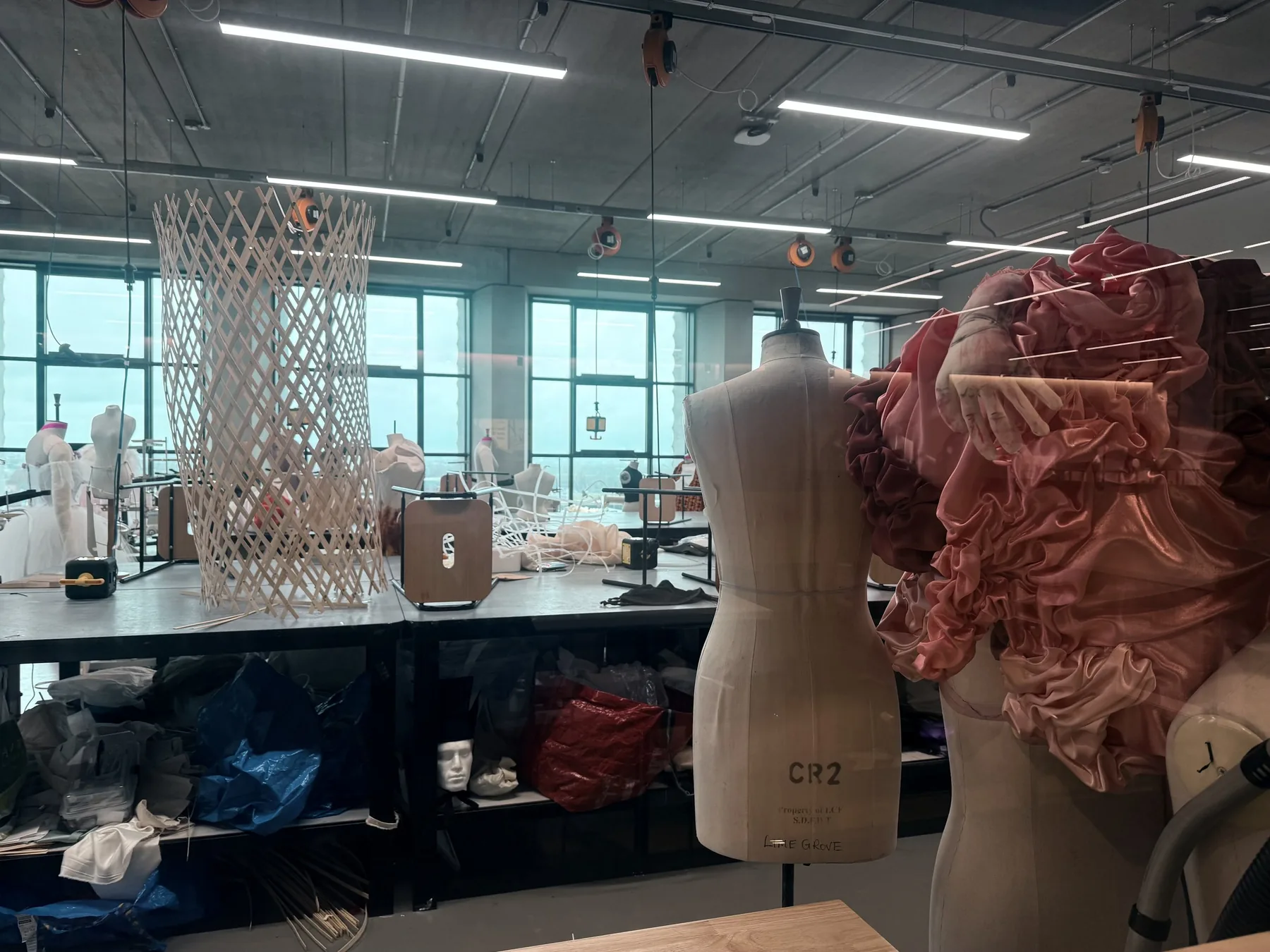
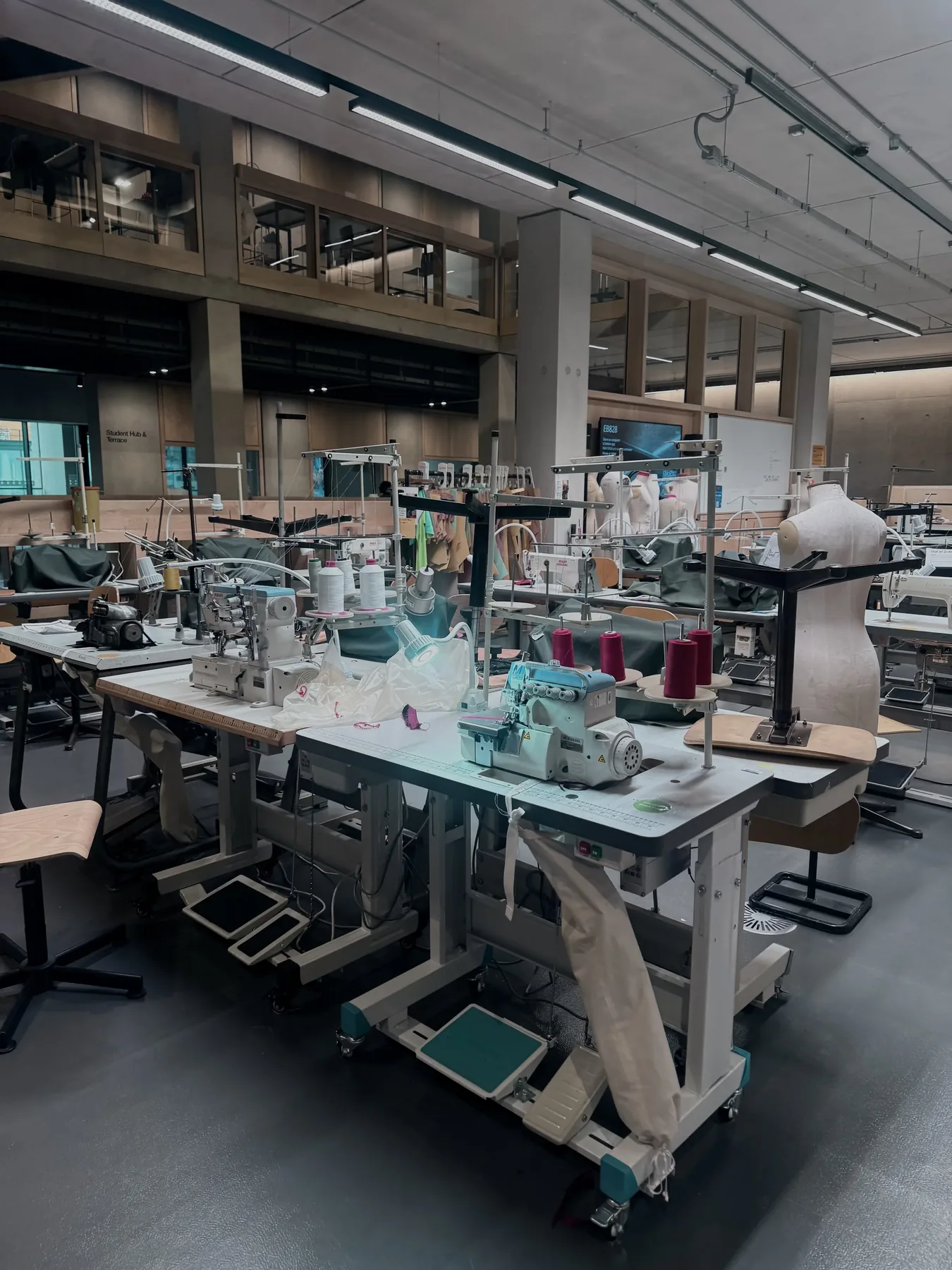
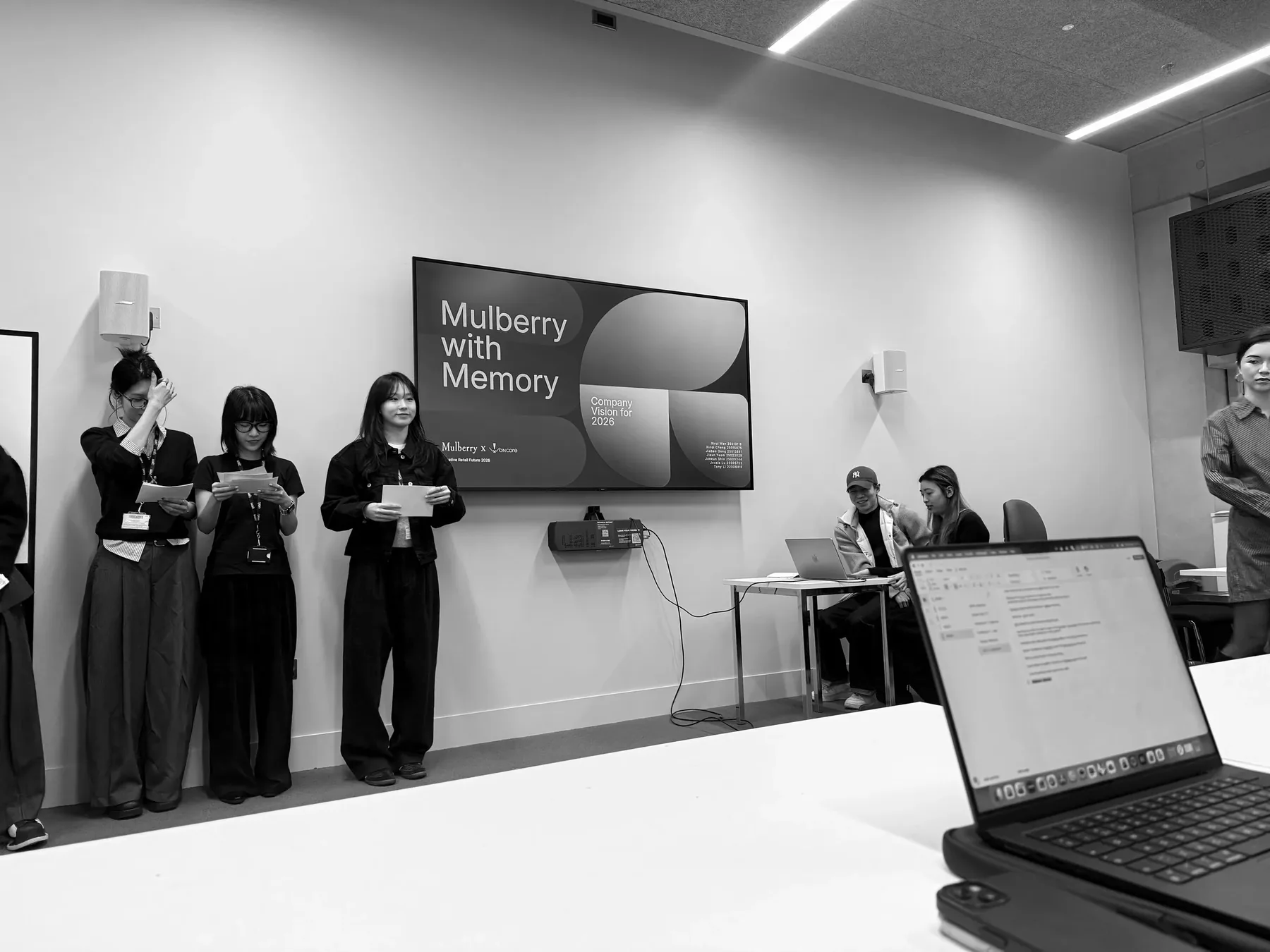
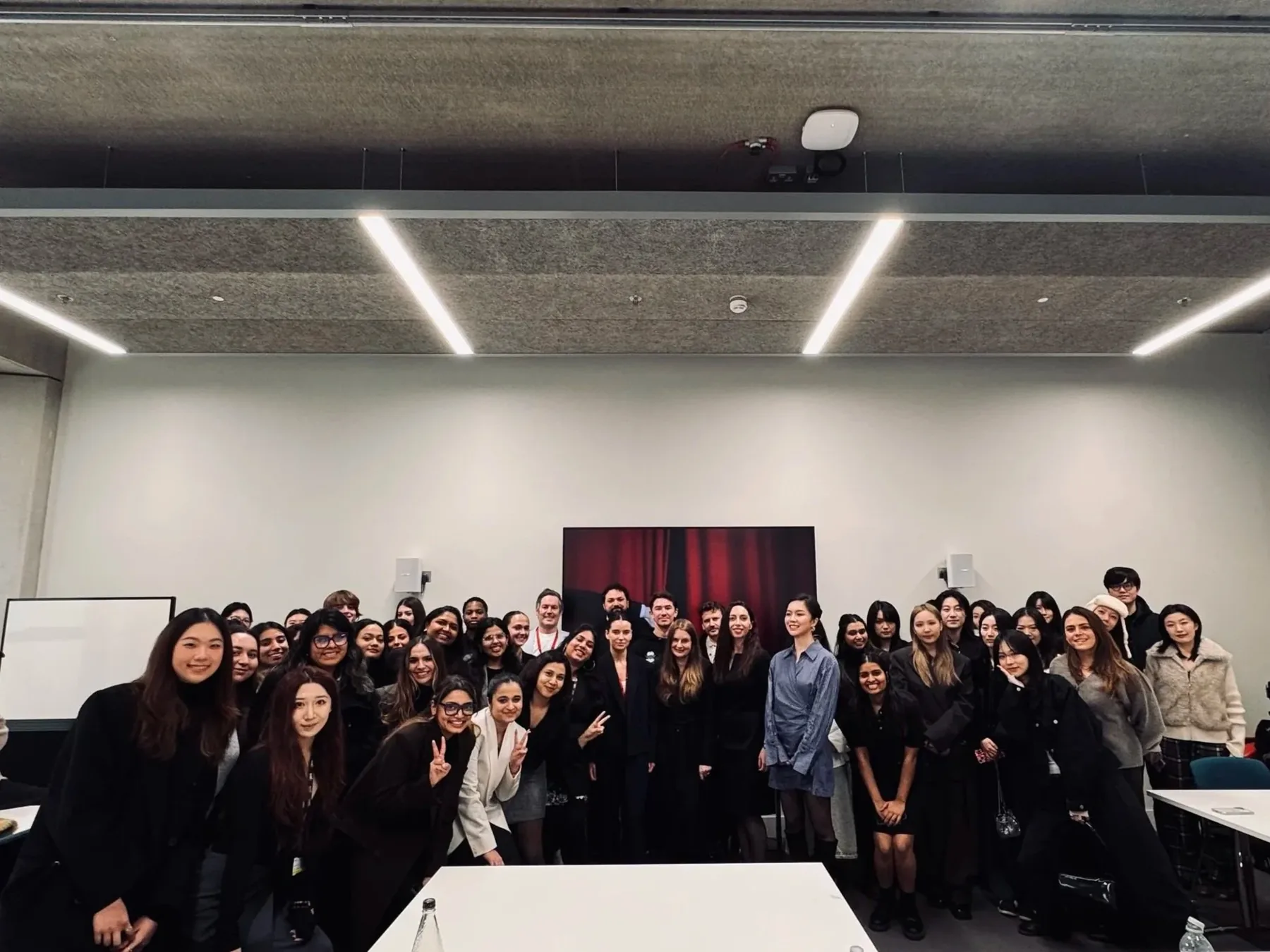
This work creates a unique bridge between education and industry. For London College of Fashion, it embeds futures-led strategic thinking into the development of tomorrow’s retail leaders. For brand partners, it provides direct access to the priorities, expectations and creative thinking of the next generation of luxury consumers and decision-makers.
For us, it offers a live lens on how emerging talent interprets the structural forces reshaping retail, insight that feeds directly back into our wider Futures work. With so much speculation about what the future holds for physical retail in the luxury sector, it is refreshing to hear the perspectives of those who will soon shape it.