
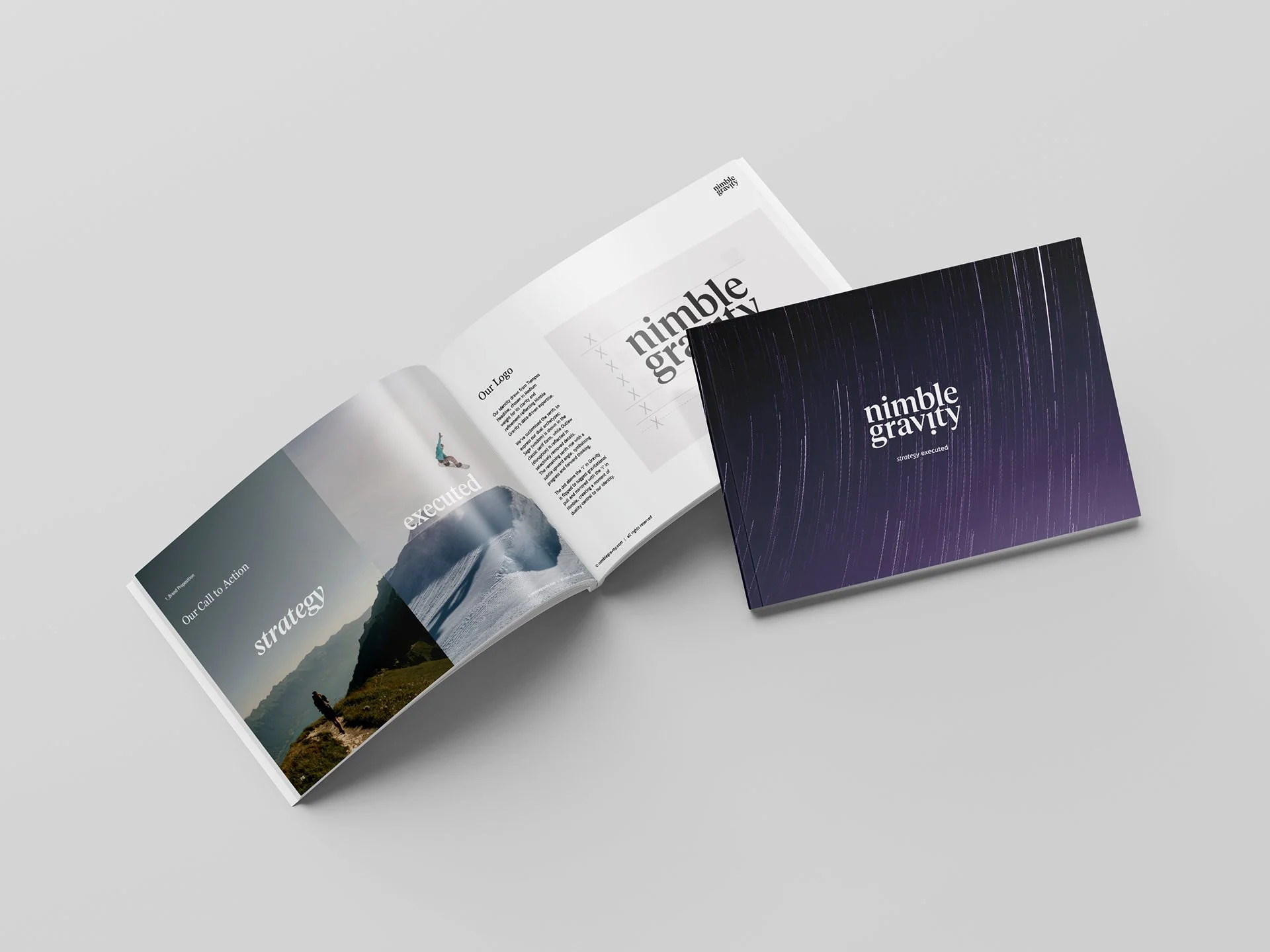
Brand Books & Guidelines
Creating clarity, consistency, and confidence
Brand guidelines define how a brand shows up in the world.
They provide a clear framework for how a brand is expressed visually, verbally, and experientially across every touchpoint. When done well, they build recognition, protect brand equity, and help organisations move faster with confidence.
At their best, brand guidelines are not static rulebooks. They are adaptive frameworks, designed to support consistency today and evolution over time.

What every brand needs in place
Effective brand guidelines balance structure with flexibility.
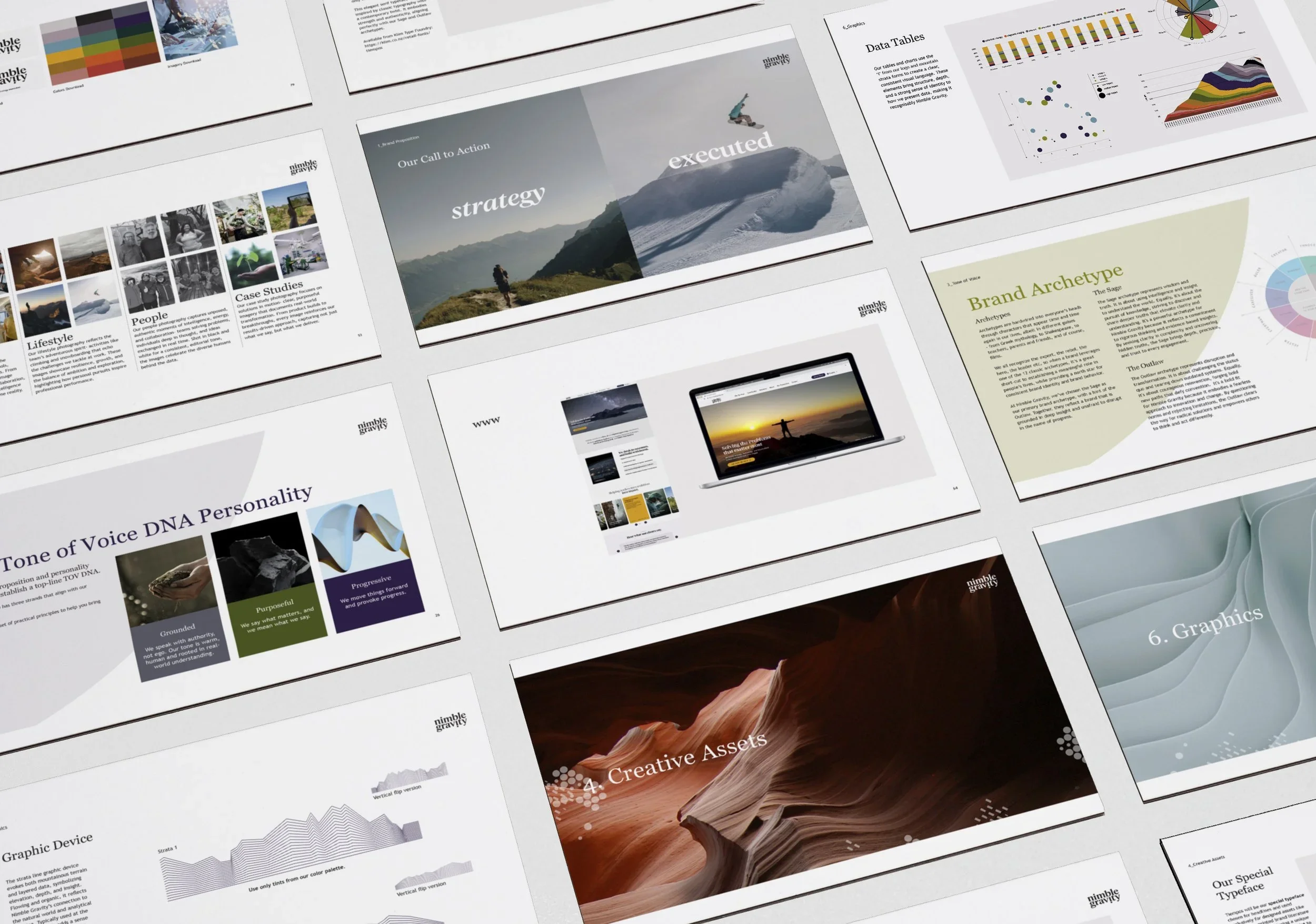
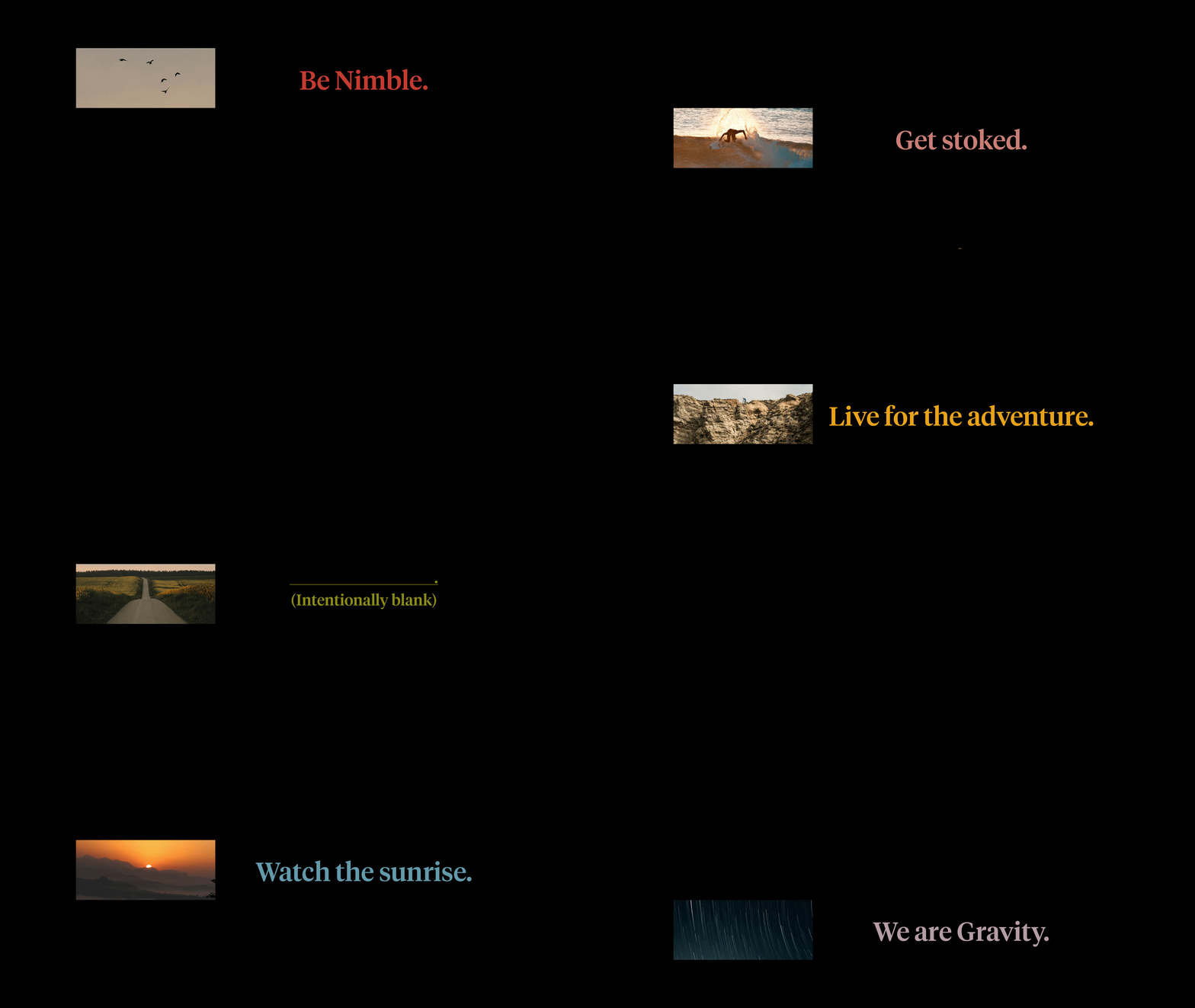
They typically include guidance on logo usage, colour palettes, typography, tone of voice, imagery style, and examples of how the brand is applied across different contexts. Together, these elements ensure the brand feels coherent without becoming restrictive.
The role of guidelines is not to limit creativity, but to provide a shared reference point that helps teams make better decisions and maintain consistency as the brand grows.
Learning from brands that do it well
Studying real-world brand guidelines helps organisations understand what good looks like in practice.
Strong examples demonstrate clarity, adaptability, and a clear link between brand strategy and execution. They show how guidelines can support different audiences, channels, and use cases without losing coherence.
We curate and analyse a range of brand guidelines to highlight what works, why it works, and how those principles can be applied in different organisational contexts.


Designing for a digital-first world
As brands operate across more platforms and touchpoints, guidelines need to keep pace.
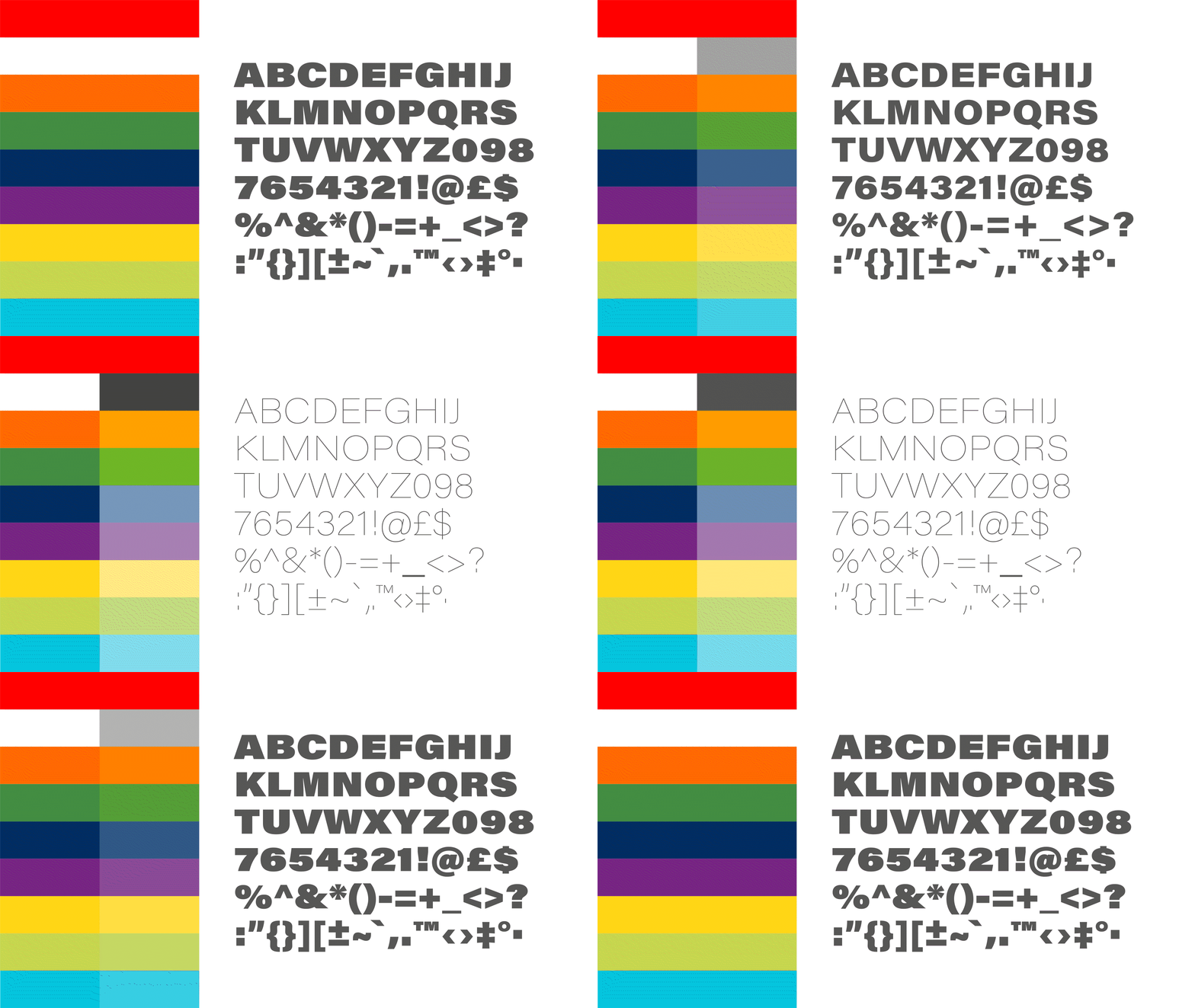
Digital-first organisations increasingly require living, interactive brand guidelines that are easy to access, update, and apply. This marks a shift away from static PDFs towards dynamic systems that support agile teams and consistent brand expression across channels.
Digital brand guidelines make it easier for distributed teams and partners to work with the brand, while allowing it to evolve alongside technology and user behaviour.
Creating guidelines that endure
Enduring brand guidelines are built through a strategic process.
This includes stakeholder alignment, competitive and category analysis, defining core brand principles, and designing systems that can scale. The strongest guidelines are rooted in insight, not just aesthetics, ensuring they remain relevant as organisations change.
We help brands create guidelines that are clear, usable, and built to evolve, supporting both consistency and long-term growth.
For a step-by-step approach, explore How to create brand guidelines.
Featured collaborations

Nimble Gravity: Strategy, Executed
Veolia Nuclear Solutions
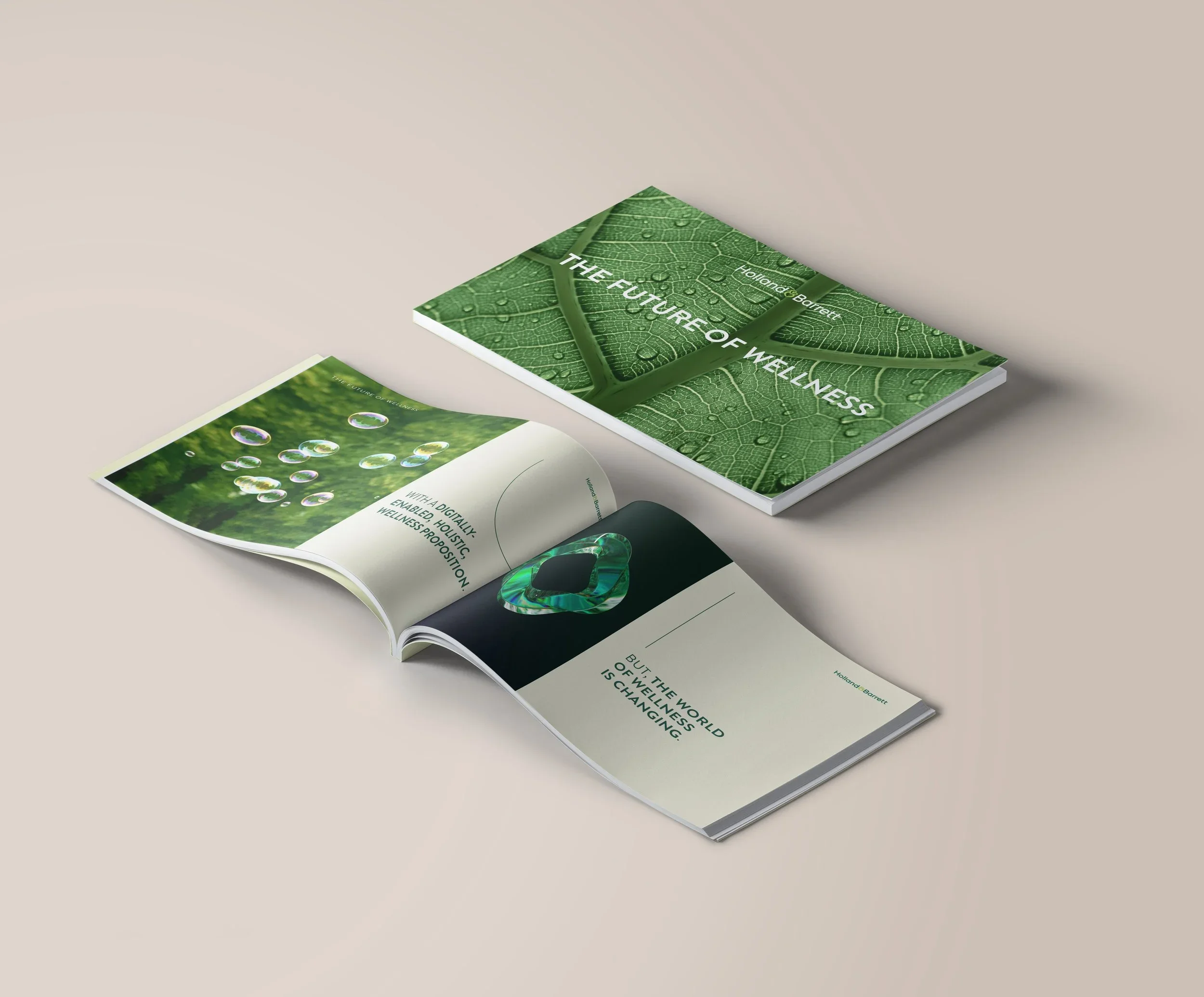
Holland & Barrett: Brand Book